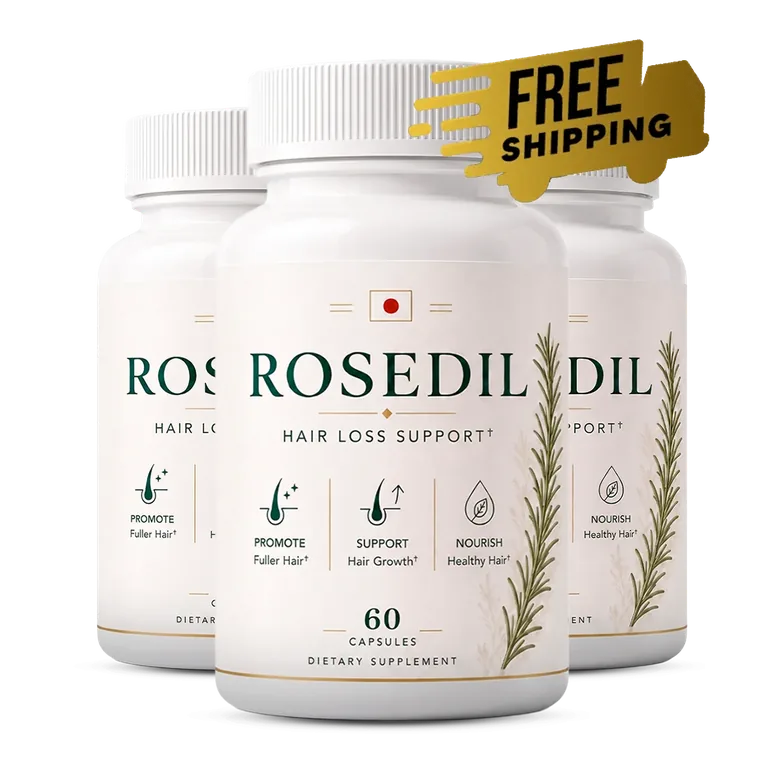
How much biotin is in Rosedil, and why does it matter for tests?
Biotin is a B vitamin, and the Rosedil label lists 4,620 mcg of it per serving of 2 capsules, shown as 15,400% of the daily value. The NIH Office of Dietary Supplements (ODS) gives an adequate intake of 30 mcg a day for adults, so the label amount is far above that figure[1]. That gap matters because some laboratory tests use biotin in their chemistry, and extra biotin in a blood sample can disturb them.
We make no claim that Rosedil causes any particular result. This page states the label amount and what the sources say about high biotin in general. It is independent information, not medical advice.
Which tests can high biotin disturb?
Some lab methods rely on a biotin-streptavidin link, and a sample carrying a lot of biotin can throw them off. According to the ODS, high biotin intakes can interfere with these assays, which are used to measure thyroid hormones and 25-hydroxyvitamin D, and the result can be falsely normal or falsely abnormal[1].
| Test area | What the ODS says |
|---|---|
| Thyroid hormones | Biotin can interfere; reported cases include falsely indicated Graves' disease or severe hyperthyroidism at intakes far above this label |
| Vitamin D (25-hydroxy) | Measured with biotin-streptavidin assays that can be affected |
| Heart markers | The page cites an FDA report of a death after a falsely low troponin result in a patient on high-dose biotin |
The ODS examples involved much larger daily amounts than the label's 4,620 mcg, so they show the type of problem rather than a prediction for any one person. We cannot tell how a specific lab method will respond to this label amount; only your clinician or the lab can.
What should you tell your clinician and the lab?
Say it plainly and early. The ODS reports that FDA advises providers to ask patients about biotin-containing supplements and to consider biotin interference when lab results do not match the clinical picture[1]. Many people forget that a hair, skin or nail product counts, so do not skip it.
NCCIH adds the general principle: talk with your health care providers about any complementary health approaches you use, since dietary supplements may interact with medications and can matter around procedures[2].
A short script you can use:
- "I take a supplement with 4,620 mcg of biotin per serving, two capsules a day."
- "Does that affect this test, and should I stop beforehand?"
- "How long should I wait, and who decides?"
Should you stop taking it before a blood draw?
That is a question for your clinician or the lab, not for this page. The ODS fact sheet does not tell patients to stop or pause supplements before testing, and it gives no stopping timeline for a regular daily intake[1]. Any number you read elsewhere should be confirmed with the person ordering your test, because methods differ between labs.
Do not stop or restart anything on your own because of a website. Ask first, then follow what you are told.
What should you bring to the appointment?
Bring the bottle itself. Labels matter because supplements are not cleared in advance: the FDA says manufacturers and distributors are responsible for evaluating the safety and labeling of their products before marketing, and that the agency can act against a misbranded product after it reaches the market[3]. In practice, the printed panel is your best record of what you actually took. The printed Supplement Facts panel shows the biotin amount, the serving size and every other ingredient, which is more reliable than memory. Also bring a list of everything else you take, including multivitamins, since many carry biotin of their own, and note the date and time of your last dose so the clinician can judge for themselves. For the other nutrients in the capsule, see our page on Rosedil side effects.
Bottom line: Rosedil carries 4,620 mcg of biotin per serving, the NIH says high biotin can distort some blood tests, and no source we opened gives a safe pause timeline. Check the bottle label, then ask your doctor or pharmacist and the lab before any test.
FAQ
Does Rosedil change blood test results?
We cannot say. The label lists 4,620 mcg of biotin per serving, and NIH reports that high biotin intakes can interfere with some assays[1]. Whether a given test is affected depends on the lab method, so ask the lab.
Which labs and tests are affected by biotin?
The ODS names assays that use a biotin-streptavidin link, including those for thyroid hormones and 25-hydroxyvitamin D[1]. Other tests may also be affected. Rather than guess, list your supplement for whoever orders your blood work and let them judge.
How long before a test should I stop biotin?
The NIH fact sheet gives no stopping timeline for patients[1], so we will not invent one. Ask the clinician ordering the test, and the lab if possible. Their answer can depend on the test, the amount you take and the method used.
Do I need to mention a hair supplement to my doctor?
Yes. Hair, skin and nail products often contain biotin, and NIH says providers are advised to ask about biotin-containing supplements[1]. NCCIH likewise recommends telling your providers about supplements you use[2].
Is 4,620 mcg of biotin dangerous?
The ODS says no upper limit was set because there is no evidence in humans that biotin is toxic at high intakes[1]. The documented concern is interference with lab results, not toxicity. Still, the label advises people with a medical condition to consult a physician.
Sources
- NIH Office of Dietary Supplements — Biotin: Fact Sheet for Health Professionals
- NCCIH — Using Dietary Supplements Wisely
- U.S. Food and Drug Administration — Dietary Supplements
Safety: for adults; follow the label (2 capsules daily with an 8 oz glass of water). Ask your doctor or pharmacist first if you take medicines, are pregnant or nursing, or have a medical condition. Stop and call your doctor if you have a reaction.