How do Rosedil label amounts compare with NIH upper levels?
An upper level (UL) is the highest daily intake not expected to cause harm in most adults; it is a ceiling, not a target. Rosedil side effects would be any unwanted reactions to the capsule's nutrients, and we have no verified adverse-event data for this product. What we can do is set each printed amount beside the levels published by the NIH Office of Dietary Supplements (ODS).
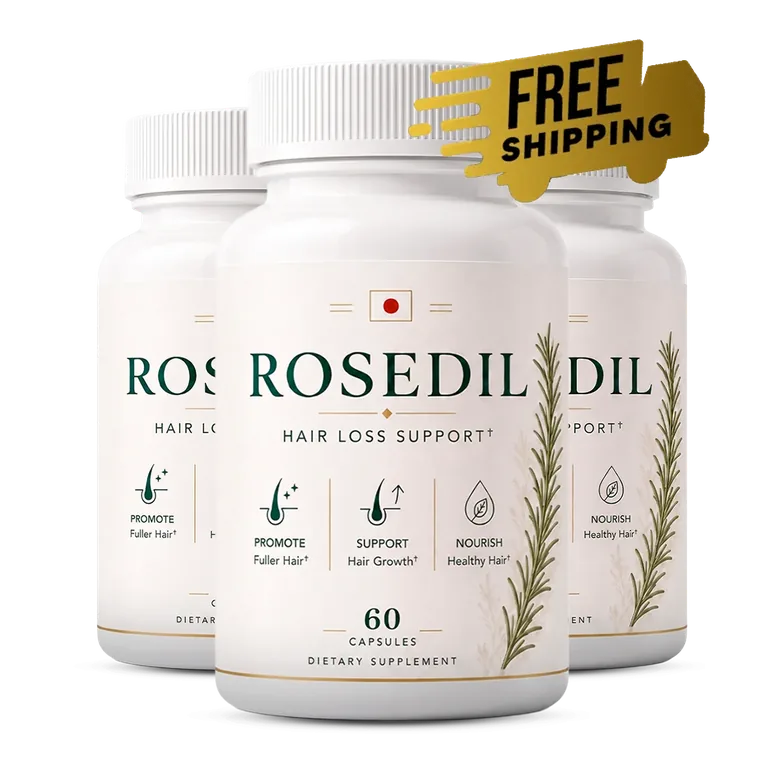
The label serving is 2 capsules, and the bottle holds 60 capsules, so 30 servings. All amounts below are per serving. This is independent information, not medical advice.
| Nutrient | Label amount per 2 capsules | NIH adult upper level |
|---|---|---|
| Niacin (as niacin) | 30 mg | 35 mg, supplemental niacin |
| Zinc (as zinc oxide) | 12 mg | 40 mg, food and supplements combined |
| Vitamin C (ascorbic acid) | 157 mg | 2,000 mg |
| Vitamin B6 (pyridoxine hydrochloride) | 1.6 mg | 100 mg |
| Biotin | 4,620 mcg | None set |
Everything you eat, plus any other supplement, adds to the same totals.
What does the niacin amount mean?
Niacin is the nutrient closest to its ceiling. The ODS sets the adult upper level at 35 mg a day for supplemental niacin[3], and the label shows 30 mg per serving. That is below the limit, but not by a wide margin.
The known reaction is flushing: doses of about 30 to 50 mg or more of nicotinic acid typically cause reddening of the face, arms and chest with burning, tingling or itching[3]. The same fact sheet says nicotinamide does not cause flushing. The Rosedil label says "as niacin" and does not name the form, so we cannot say which applies. If you notice warmth or tingling after a dose, mention it to a pharmacist rather than guessing.
Are the zinc, vitamin C and B6 amounts near their limits?
No. Each is a small fraction of its adult level, so we group them.
- Zinc, 12 mg. The upper level is 40 mg. The ODS lists nausea, dizziness, headaches, stomach upset, vomiting and loss of appetite as effects of high zinc intakes, and says about 50 mg or more daily for weeks can interfere with copper absorption[2]. It also notes zinc can lower the absorption of quinolone and tetracycline antibiotics, so ask a pharmacist about timing if you take either.
- Vitamin C, 157 mg. The upper level is 2,000 mg. Above that, the most common complaints are diarrhea, nausea and abdominal cramps[5].
- Vitamin B6, 1.6 mg. The upper level is 100 mg. The fact sheet ties serious nerve problems to chronic intakes of 1 to 6 grams a day, vastly more than the capsule contains[4].
What about biotin, which has no upper limit?
Biotin stands out, and the issue is not toxicity. The ODS says no upper level was set because there is no evidence in humans that biotin is toxic at high intakes[1]. The adequate intake for adults is 30 mcg a day, and the label lists 4,620 mcg per serving, which is 15,400% of the daily value.
The practical concern is lab testing. High biotin intakes can interfere with assays used to measure thyroid hormones and vitamin D, producing falsely normal or falsely abnormal results[1]. Our page on biotin and lab tests covers what to tell your clinician.
Does stacking with a multivitamin change anything, and who should ask first?
Yes, because upper levels count total intake. A typical multivitamin also contains zinc, niacin, vitamin C and B6, and many supplements add their own biotin. Before combining products:
- Add up the zinc, niacin and biotin from every label you take.
- Compare the zinc and niacin totals with 40 mg and 35 mg.
- Show your pharmacist the full list, including powders and gummies.
Niacin has the least room: another product with 10 mg or more would push the total past 35 mg.
Horsetail (Equisetum arvense) extract is listed at 25 mg with no standardization stated; we opened no source on it, so we say nothing further. The shell is gelatin, which is animal-derived.
The label's own caution is the best guide: do not exceed the recommended dose, and pregnant or nursing mothers, children under 18 and people with a known medical condition should consult a physician before using. Suggested use is two capsules daily with an 8 oz. glass of water.
Bottom line: the label amounts are below the NIH upper levels for zinc, vitamin C, B6 and niacin, but niacin has the least room and biotin can affect lab results. Read the printed bottle label and talk to a doctor or pharmacist about your medicines and any upcoming blood work.
FAQ
Does Rosedil cause flushing?
The label lists 30 mg of niacin per serving, and the NIH source says doses of roughly 30 to 50 mg of nicotinic acid typically cause flushing, while nicotinamide does not[3]. The label does not name the form, so we cannot predict it. If you feel warmth or tingling, stop and ask a pharmacist.
Can two capsules a day exceed the zinc upper limit?
On their own, no. The label shows 12 mg of zinc per serving against a 40 mg adult upper level[2]. The risk comes from adding other products. Total your zinc from every multivitamin, lozenge and supplement, and take that list to a pharmacist before combining anything.
Is it a problem to take Rosedil with a daily multivitamin?
It can be, because upper levels count everything together. Both products may carry niacin, zinc and biotin. Add the amounts from each label and compare them with the NIH levels in the table above. A pharmacist can check the combined total against your medicines.
Why does biotin matter if there is no upper limit?
No limit was set because biotin is not known to be toxic at high intakes[1]. The concern is that high amounts can skew certain blood tests. Tell the lab and your clinician about any biotin supplement before testing.
Who should talk to a doctor first?
The label says pregnant or nursing mothers, children under 18 and anyone with a known medical condition should consult a physician. Add anyone taking antibiotics, since zinc can affect their absorption[2], and anyone with blood work scheduled, because of the biotin.
Sources
- NIH Office of Dietary Supplements — Biotin: Fact Sheet for Health Professionals
- NIH Office of Dietary Supplements — Zinc: Fact Sheet for Health Professionals
- NIH Office of Dietary Supplements — Niacin: Fact Sheet for Health Professionals
- NIH Office of Dietary Supplements — Vitamin B6: Fact Sheet for Health Professionals
- NIH Office of Dietary Supplements — Vitamin C: Fact Sheet for Health Professionals
Safety: for adults; follow the label (2 capsules daily with an 8 oz glass of water). Ask your doctor or pharmacist first if you take medicines, are pregnant or nursing, or have a medical condition. Stop and call your doctor if you have a reaction.